Generational Curse: Signs, Causes and How Families Break Free
A calm, honest guide to the generational curse: how it differs from inherited habits, trauma and health patterns, and the steps a family can take together.
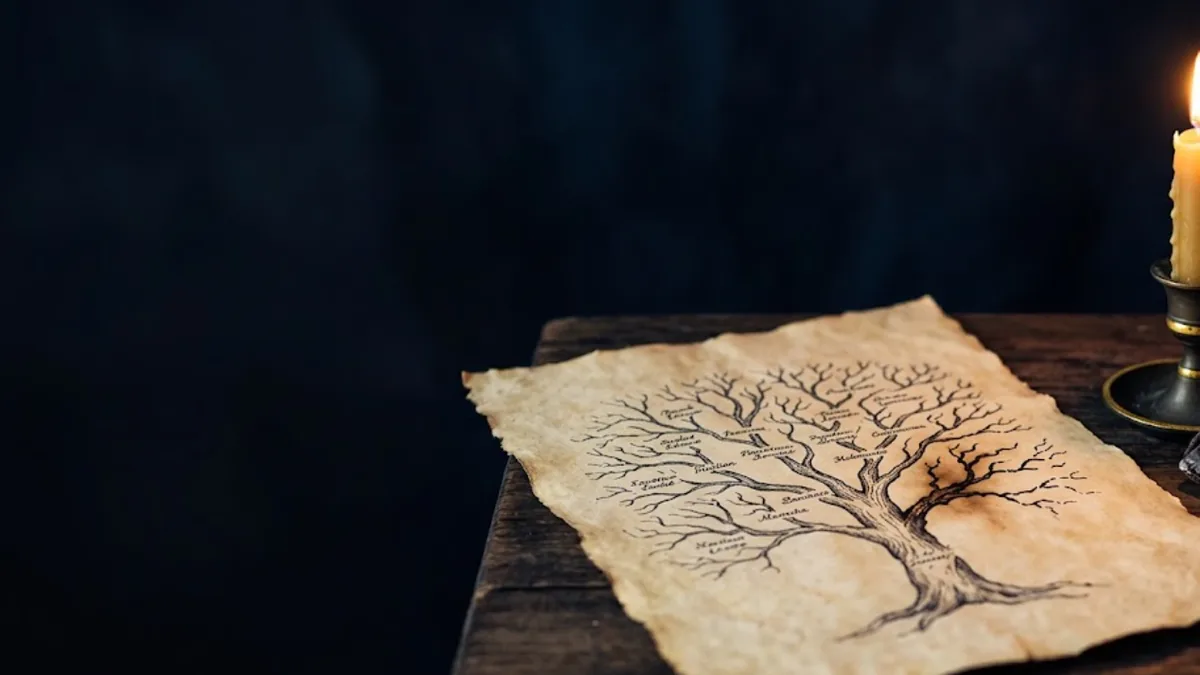
The same trouble seems to follow your family. Marriages that break down at a similar age. Money that never stays. An illness, a rift or a run of sorrow that your grandmother, your mother and now you have all known. Someone eventually says, “It must be a generational curse.”
If that thought has been sitting with you, you are not alone in it. This guide looks honestly at what a generational curse is, what is simply an inherited pattern, and how families have traditionally sought relief. It will not blame your ancestors, and it will not promise anything.
Quick answer
A generational curse, in the traditional view, is spiritual harm believed to pass within a family line. Many family patterns are not spiritual at all: habits, trauma, poverty cycles and inherited health conditions explain much of it. Rule those out first, then turn to repentance, prayer, charity and an honest assessment. No outcome can be promised.
In this guide
What is a generational curse?
The phrase is used in two very different ways, and mixing them causes most of the fear. In everyday speech, a generational curse (also called a family curse or an ancestral curse) means a hardship that repeats from parents to children. It says nothing about the cause.
In the traditional Islamic view, the idea is narrower and more careful. It refers to spiritual harm believed to affect a family line, for example through sihr done against a family, a serious injustice that was never put right, or practices that opened a door to harm and were never closed. Even then, the tradition teaches that nothing happens except by Allah’s permission.
The tradition is also clear on one point that should comfort you. The Quran teaches that no soul carries the burden of another. You are not guilty for what a grandparent did, and you should never blame the dead for your struggles. The answer is to turn back to Allah yourself, starting today.
One honest note before going further. Repeating patterns in a family are very often ordinary. This can also be ordinary stress, sleep or health issues, so rule that out first. If you or a relative is struggling in body or mind, please see a doctor. Ruqyah is a support, not a replacement for care.
Inherited pattern or generational curse?
Families do pass things down without any spiritual cause. Children copy how their parents handle anger, money and conflict. Grief and hardship shape the next generation. Some health conditions run in families, and poverty can repeat because doors never opened. These are real, and they deserve real, practical answers. If the pattern shows up mostly as a run of misfortune, our guide on why you might be having bad luck is a calm place to start.
Use this table as a rough map. Real cases can overlap, and only an honest conversation can tell them apart.
| Inherited pattern | Generational curse (traditional view) | |
|---|---|---|
| What it is | Habits, trauma, poverty cycles, or health conditions passed down through upbringing, environment or genes | Spiritual harm believed to pass within a family line |
| How it shows | Clear links you can trace: the same behaviour, the same circumstances, a diagnosis | Repeated setbacks with no clear practical explanation, across several family members |
| Where it comes from | Learning, stress, family history, economics | Sihr, unresolved injustice, or forbidden practices in the family, by Allah’s permission |
| Usual response | Doctors, counselling, education, budgeting, breaking habits with support | Repentance, prayer, ruqyah, charity, cleansing the home, and guidance from someone knowledgeable |
| Can it be both? | Yes. Many families need practical help and spiritual care together | Yes. Do not use one to avoid the other |
Notice the last row. Most family patterns have a practical side, and treating that side seriously is part of a sound approach, not a lack of faith.
If you recognise an inherited pattern in your family, start there. Speak with a doctor about repeated health problems. Talk to a counsellor if grief or anger has been handed down. Make a simple budget if money keeps slipping away. Faith and practical effort go together, and the Prophet ﷺ taught us to tie the camel and then trust in Allah.
Signs people connect to a generational curse
No list can prove a curse, and it is unfair to make everyone feel cursed. But people who ask about this usually describe a few things together, not one:
- The same kind of loss or failure in several family members across different lives and places.
- Repeated troubles around marriage, children, work or money that resist every practical effort.
- A history in the family of sihr, fortune-tellers, or charms taken from unknown sources.
- A serious wrong, such as a grievance or unpaid right, that was never addressed.
Even together, these do not prove anything. They are reasons to ask a good question, not to reach a frightening answer. Be wary of anyone who is certain before hearing your story, and of anyone who tells you which relative caused it.
It also helps to look at timing. A curse story often appears after a painful event, such as a death, a divorce or a lost job, when people search for a reason. Wanting an explanation is human, and it is worth asking yourself whether grief is doing some of the talking.
How families break free from a generational curse
The traditional path is simple, and most of it is within your reach. It does not depend on one dramatic act. It depends on steady effort, done sincerely and together where possible. Use this as a checklist, and take it one step at a time.
- Repentance. Turn back to Allah with sincere istighfar, pray on time, and put right any wrong you know of, including debts and broken ties.
- Charity. Give sadaqah regularly, in secret if you can, and give on behalf of family members who have passed away.
- Reciting together. Recite Ayat al-Kursi, the last three surahs and Surah al-Baqarah in the home, as a family, and keep the morning and evening adhkar.
- Cleansing the home. Remove images, music or items that do not belong, and keep the house clean, quiet and filled with remembrance. Our guide to spiritual cleansing explains how.
- Cutting ties with sihr practices. Stop visiting fortune-tellers and practitioners, and do not keep charms or written papers of unknown source. Ask Allah alone for help.
- Seeking the Sheikh. If the pattern continues, ask for an honest assessment from someone knowledgeable, instead of guessing.
A word on the first steps. They belong to the whole family, not only to the one who is struggling. Children who see a household pray, give and recite together receive something no illness or hardship can easily take away. That is a real inheritance too.
Be patient with the process. Some families notice calm and closeness first, and practical change later. Others notice little for a while. That is not proof that nothing is working. For a fuller walk-through of the recitations, read how to break a curse, and for the wider picture see curse removal. Our curses section gathers related questions.
What people usually try — and why it often isn’t enough
Most families begin with what is close at hand. They recite what they remember, burn incense, sprinkle salt, or ask an elder for advice. Some pay a stranger who says the family has been cursed for generations and offers a quick fix. These efforts come from a good place, and the recitation in particular has real value.
The trouble is that guessing at the cause keeps you busy without answering the real question. A recording cannot ask about your family’s history. A stranger who blames an ancestor may frighten you and deepen the wound, and some ask you to stop doctors or to hand over large sums.
So the family keeps trying different things, and the worry stays. Sincere practice is a good start, but it works best when you understand what you are facing. Sometimes it is spiritual, sometimes it is trauma or health, and often it is a mix. Telling them apart is the first step.
Not sure what you’re dealing with?
Describe your situation to Sheikh Kamal Elhidi. He reads every message himself — free, private, and with no obligation.
How the Sheikh approaches it
Every family is different, so Sheikh Kamal Elhidi does not give one answer to everyone. He begins by asking about your situation first: what has repeated, in whom, since when, and what else is going on in your lives. He listens before he says anything, and he asks about health and daily life too.
Then the Sheikh says plainly what he sees. Sometimes it is spiritual harm. Sometimes it is inherited habit, grief or ordinary stress, and he will say so. He does not blame ancestors, does not promise outcomes, and does not try to frighten you.
His guidance follows the Islamic tradition of ruqyah and remembrance, and it is explained in simple words so your family knows what to do next. If you would like that conversation, you can consult the Sheikh and describe your family’s situation in your own words.

About the Sheikh. Sheikh Kamal Elhidi is a practitioner of traditional ruqyah and spiritual diagnosis. Every article on this guide is written with his direct guidance and reviewed with him before publishing. Learn more about the Sheikh and how he works.
Hoping for a clearer road ahead? Our partner PuraTarot offers a personal reflection session, the Road Opening Intention Ritual, for looking at the patterns in your own life and setting a calm intention for what comes next. It is a personal reflection, not a diagnosis or a treatment; for the spiritual side, follow the steps above and the Sheikh’s guidance. Join the free Curse Removal Guide newsletter and, once you confirm, you will unlock a 50% code for your first PuraTarot session.
Frequently asked questions
Can a curse really pass down through a family?
In the traditional view, spiritual harm can affect a family line, always by Allah’s permission. But the Quran also teaches that no soul bears another’s burden, so you are not guilty for an ancestor’s acts. Many repeating patterns are ordinary, such as habits, trauma or health, so rule those out first.
What are the signs of a generational curse?
There is no reliable checklist. People describe the same kind of loss repeating across several family members, with no practical explanation. That can also come from stress, upbringing or inherited health conditions. Signs alone prove nothing, so seek an honest assessment rather than a frightening guess.
How do you break a generational curse in Islam?
Traditionally, it begins with sincere repentance, regular prayer, charity, and reciting Ayat al-Kursi, the last three surahs and Surah al-Baqarah together at home. Families also keep the home clean, avoid sihr practices and seek guidance when needed. Consistency matters more than intensity, and no result can be promised.
Is a family curse the same as inherited trauma?
No. Inherited trauma, habits and poverty cycles pass down through upbringing, stress and circumstances, and they need practical help such as counselling and support. A generational curse, in the traditional view, is spiritual harm. Some families face both, so it is wise to care for the practical side and the spiritual side together.
Should I blame my ancestors for our family curse?
No. Blaming the dead brings no relief and can harm family ties. The tradition teaches that each soul answers for itself, and your task is to turn to Allah now. Praying and giving charity for those who have passed is encouraged, and it is a kinder response than blame.
Further reading
- The Clear Quran: A clear English translation for reading the verses on patience and trust.
- Riyad as-Salihin: Hadith on family ties, patience and good character, arranged by topic.
- Fortress of the Muslim (Hisn al-Muslim): Supplications from the Quran and Sunnah to recite daily, with sources.
As an Amazon Associate we earn from qualifying purchases.
What the Sheikh usually prescribes for this
There is no single remedy that fits every case — the same signs can come from the evil eye, from sihr, or from nothing spiritual at all. That is why Sheikh Kamal Elhidi always asks about your situation first, then tells you plainly what he sees and what he would do.
If you would like his view on your own case, describe it below. He reads every message himself — free, private, and with no obligation.
Reader reviews
Did this guide help you? Leave a short, honest review so other readers know what to expect. Reviews are checked before they appear.
There are no reviews yet. Be the first one to write one.