
Spiritual Cleansing: A Complete Guide to Clearing Your Home and Yourself
Spiritual cleansing is the traditional way of clearing a home and yourself through cleanliness, Quran recitation and daily remembrance. Here is the step-by-step method, and how cleansing yourself differs from cleansing your home.
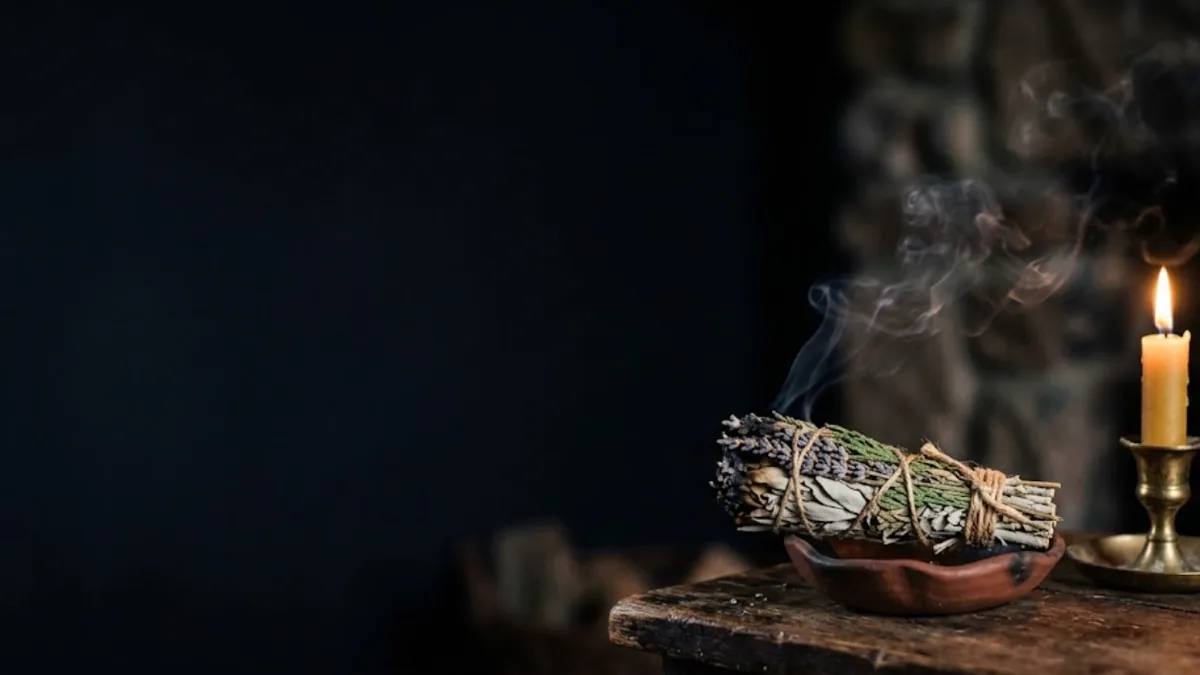
Some homes just feel heavy. You clean, you open the windows, you even rearrange the furniture, but the atmosphere does not lift and you cannot say why. Maybe you have been through a hard season, a quarrel, a loss, or a move into a place with an unknown past. Many people in that spot start searching for spiritual cleansing: a calm, deliberate way to clear a home and yourself. In this guide you will learn what a spiritual cleanse means in the Islamic tradition, how to cleanse your home step by step, and how that differs from cleansing yourself.
Quick answer
Spiritual cleansing is the traditional practice of clearing a home and a person through cleanliness, Quran recitation, prayer, ruqyah water and daily remembrance of God. Clean and declutter first, recite Surat al-Baqarah, sprinkle ruqyah water, call the adhan, remove doubtful objects, then keep the routine going.
In this guide
What spiritual cleansing means
In the traditional Islamic view, a spiritual cleanse is not a magic trick and it is not a single event. It is a return to cleanliness, prayer and remembrance of God in the place where you live and in your own daily habits. People also call it energy cleansing or a cleansing ritual. The idea is the same: clear away what weighs on the heart and let the home feel peaceful again.
Western energy cleansing often relies on burning herbs, crystals or chanted phrases. The traditional approach is simpler. It uses physical cleanliness, recitation of the Quran, du’a and the adhan, practices Muslims have kept for centuries to make a home a place of calm and remembrance.
One honest note before we go further. A heavy feeling at home can also be ordinary stress, poor sleep, a health issue or a tense family situation. Rule those out first, and see a doctor if something worries you. A spiritual cleanse is a gentle addition to that, never a replacement.
When a spiritual cleanse makes sense
You do not need a dramatic reason. People usually cleanse a home at natural turning points, and it is a healthy habit even when nothing is wrong. Common moments include moving into a new or second-hand home, after a long illness or a death in the family, after arguments that feel out of proportion, or at the start of Ramadan or a new year. In each case the cleanse marks a fresh start. If you are unsure what is behind a heavy atmosphere, our guide to the signs of negative energy in a home helps you separate ordinary causes from the rest.
It can also help when you sense something more specific, such as the signs of jinn in the house, or when you worry about envy after a big blessing and want to read about evil eye protection. Still, one odd night or one bad week proves nothing. Look for a lasting pattern, and stay calm about it.
If your concern goes beyond a heavy atmosphere, a home cleanse is rarely the whole answer. Our guide on how to remove black magic explains what that path looks like and how to approach it without fear.
How to do a spiritual cleansing of your home, step by step
Here is the traditional way, in the order most families follow it. Set aside a calm hour when the house is quiet, and begin with a sincere intention to seek God’s protection.
- Declutter and clean. Open the windows, throw away rubbish, wash the floors and wipe the surfaces. Do not skip the corners, the space under the beds or the entrance. In the tradition, cleanliness is part of the ritual itself, not just a preparation for it.
- Recite Surat al-Baqarah, or play a recitation. Recite it yourself if you can, or play a clear recording through the house. A well-known hadith says that shaytan flees from a home where Surat al-Baqarah is recited.
- Sprinkle ruqyah water. Recite Al-Fatiha, Ayat al-Kursi and the last three surahs over a bowl of clean water, then sprinkle it in every room, at the doors, the windows and the corners, saying the name of God as you go.
- Call the adhan. Say it aloud in the main rooms of the house, or play it. The adhan is a call to prayer and to remembrance, and the tradition tells us shaytan turns away from it.
- Remove doubtful objects. Walk through the house calmly. Set aside objects with symbols or writing you do not understand, gifts from someone you do not trust, or anything found hidden near a door or under a bed. Handle them without panic and dispose of them respectfully.
- Keep the routine. A cleanse is not one afternoon. Play or recite Surat al-Baqarah regularly, keep the morning and evening adhkar, pray at home and keep the house clean and tidy.
That is the whole cleansing ritual, and it is simple on purpose. Sincerity and follow-through matter more than tools, and no step needs anything you cannot find at home. If you feel unsure about an object you found, or the heaviness keeps returning after you have done all six steps, that is a good moment to ask for guidance rather than repeat the ritual again and again.
Cleansing yourself vs. cleansing your home
People often cleanse the house and forget themselves, or the other way round. The two work together, but they are not the same thing. Here is a quick comparison.
| Aspect | Cleansing yourself | Cleansing your home |
|---|---|---|
| Main focus | Your heart, habits and daily protection | The space, the rooms and the objects in it |
| Core practices | Wudu, the five daily prayers, morning and evening adhkar, Ayat al-Kursi, the last three surahs | Cleaning and decluttering, Surat al-Baqarah, ruqyah water, the adhan |
| Ruqyah water | Traditionally a little is drunk, or used to wash | Sprinkled at corners, doors and windows |
| How often | Daily, in small habits | One thorough cleanse, then regular upkeep |
| Who takes part | You, personally | Everyone who lives in the house |
| Common mistake | Waiting for a big moment instead of keeping small daily habits | Cleansing once and never keeping the routine |
The simple rule is start with yourself, then the home. A cleansed house helps little if the people in it drop their prayers, sleep badly and carry resentment. A steady personal routine also protects you when you are away from home. You can find more practices in our taweez and protection section. If you wonder whether the heaviness sits with a person rather than a place, see the signs of negative energy in a person.
What people usually try — and why it often isn’t enough
Most people start with whatever is easy to find online: burning sage or incense, salt in the corners, crystals, or a burst of deep cleaning. Others recite a few verses once and hope it settles. None of this is harmful in itself, and a clean, calm home has real value. Fresh air and order lift the mood of anyone.
The trouble is that these things are usually done once, without knowing what you are actually dealing with. Some popular methods also mix in practices that do not fit Islamic teaching, which can leave you more confused than before. And if the heaviness does not come from the walls at all, but from a person’s envy, a habit or an unresolved conflict, cleaning the walls will not reach it.
That is why a cleanse works best as part of a routine, with clear understanding, and why it helps to talk with someone who can look at your particular case.
Not sure what you’re dealing with?
Describe your situation to Sheikh Kamal Elhidi. He reads every message himself — free, private, and with no obligation.
How the Sheikh approaches it
Sheikh Kamal Elhidi does not hand everyone the same routine. Every case is different, which is why he starts by asking about your situation: what changed, since when, who lives in the home and what you have already tried. He listens before he says anything.
Then he tells you plainly what he sees, and what he advises as a next step. If a cleansing is part of that, the Sheikh explains which steps fit your home and your family, so you are not guessing or repeating the same ritual in the dark.
There are no promises and no pressure, and there is no fear in the conversation. The aim is clarity and a calm next step. When you are ready, you can start on the Consult the Sheikh page and describe your situation in your own words.

About the Sheikh. Sheikh Kamal Elhidi is a practitioner of traditional ruqyah and spiritual diagnosis. Every article on this guide is written with his direct guidance and reviewed with him before publishing. Learn more about the Sheikh and how he works.
Spiritual Cleansing: a practical safety note
Persistent physical or emotional symptoms can have ordinary causes. Use spiritual guidance alongside qualified professional care, and review the World Health Organization guidance on stress.
Carrying something you want to let go of? Our partner PuraTarot offers a personal reflection session, the Energy Renewal and Fresh Start Ritual, for making room in your own mind and marking a fresh start in daily life. It is a personal reflection, not a diagnosis or a treatment; for the spiritual side, follow the steps above and the Sheikh’s guidance. Join the free Curse Removal Guide newsletter and, once you confirm, you will unlock a 50% code for your first PuraTarot session.
Frequently asked questions
What is spiritual cleansing?
Spiritual cleansing is the traditional practice of clearing a home and a person through cleanliness, Quran recitation, prayer and daily remembrance of God. It is a gentle routine, not a guarantee. Many people use it at turning points, such as a new home, a hard season or the start of Ramadan.
How often should you do a spiritual cleanse of your home?
There is no fixed rule. Most families do one thorough cleanse, then keep light upkeep, such as regular recitation of Surat al-Baqarah, morning and evening remembrance and a tidy home. Repeat the full cleansing ritual when something changes, like a move, an illness or a long period of tension at home.
Can you do a spiritual cleanse yourself, without a Sheikh?
Yes, the steps in this guide are simple enough to do at home: cleaning, recitation, ruqyah water, the adhan and a steady routine. If you are unsure about something unusual you found, or the heaviness keeps returning, it is reasonable to ask the Sheikh about your situation before you decide what to do.
What is ruqyah water and how is it used in a cleansing ritual?
Ruqyah water is clean water over which verses such as Al-Fatiha, Ayat al-Kursi and the last three surahs have been recited. Traditionally it is sprinkled in the corners, doors and windows of a home, and some people also drink a little or wash with it. It is a spiritual practice, not a medical treatment.
How do I know if my home needs energy cleansing?
One bad night proves nothing, and stress, sleep or health issues are far more common causes. Look for a lasting pattern, such as a heavy atmosphere that never lifts or repeated conflict without a clear cause. Rule out ordinary causes first, then consider a cleanse if the feeling stays.
Further reading
- Fortress of the Muslim (Hisn al-Muslim): A handy collection of daily supplications with Quran and hadith sources.
- The Book of Remembrances (Kitab al-Adhkar): Authentic adhkar for each part of the day, collected by Imam an-Nawawi.
- Healing with the Medicine of the Prophet: Ibn Qayyim on the Prophet’s guidance for physical and spiritual wellbeing.
As an Amazon Associate we earn from qualifying purchases.
What the Sheikh usually prescribes for this
There is no single remedy that fits every case — the same signs can come from the evil eye, from sihr, or from nothing spiritual at all. That is why Sheikh Kamal Elhidi always asks about your situation first, then tells you plainly what he sees and what he would do.
If you would like his view on your own case, describe it below. He reads every message himself — free, private, and with no obligation.
Reader reviews
Did this guide help you? Leave a short, honest review so other readers know what to expect. Reviews are checked before they appear.
There are no reviews yet. Be the first one to write one.


