
Sleep Paralysis in Islam: Is It a Jinn? Spiritual Meaning, Causes and How to Stop It
You wake up, you cannot move, and something is in the room. Here is what sleep paralysis is, what medicine says causes it, what the Islamic tradition says about the jathoom and jinn, and the simple habits and adhkar that make it stop.
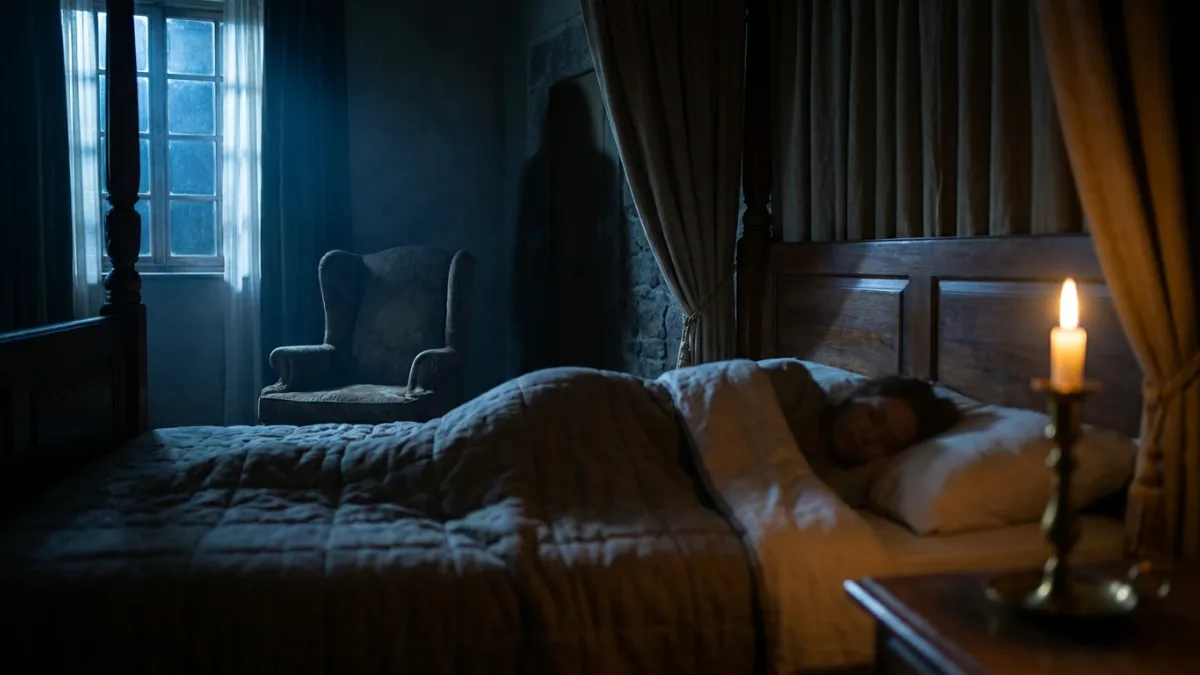
You wake, or think you wake. You cannot move, cannot speak, there is a weight on your chest, and something is standing in the corner or sitting on you. Then it lifts, and you lie there shaking. People search for the sleep paralysis demon because that is what it feels like, and Muslims ask whether it is a jinn. This guide gives both answers honestly: what medicine knows about sleep paralysis, what the Islamic tradition says about the jathoom, how to tell which you are dealing with, and the habits and adhkar that stop it for most people within days.
Quick answer
Sleep paralysis is a brief state between sleep and waking in which the body is still in the muscle paralysis of REM sleep while the mind is awake, often with a sensed presence, pressure on the chest and vivid hallucinations. Medicine explains the mechanism; the Islamic tradition calls the experience the jathoom and allows that it can be natural or, in some cases, a jinn. Either way the remedy is the same: regular sleep, sleeping on the right side with wudu, Ayat al-Kursi and the three surahs before bed, and remembrance of God in the heart during the episode.
In this guide
What sleep paralysis is and why it feels like a demon
During REM sleep, the stage in which we dream, the brain switches off the muscles so that we do not act out our dreams. Sleep paralysis happens when you become conscious while that switch is still on. You are awake, but the body is still asleep, and the dreaming part of the brain is still active. That is why the three classic features appear together:
- Inability to move or speak, for seconds to a few minutes, while fully aware.
- Pressure on the chest and difficulty breathing, from the shallow REM breathing felt by an awake mind.
- A sensed presence or a figure: a shadow, an old woman, a man in a hat, a creature sitting on the chest. The brain’s threat system fires with no one there, and the dreaming mind supplies a face for the fear.
These figures are reported in every culture, with local names: the Old Hag in Newfoundland, the kanashibari in Japan, the jathoom or kabus in Arabic. The shared shape of the experience across the world is one reason medicine is confident about the mechanism. Common triggers are sleep deprivation, an irregular schedule, sleeping on the back, stress, jet lag and some medications. Around a third of people experience it at least once.
What the Islamic tradition says about the jathoom and jinn
The classical Arabic term is al-jathoom, the thing that sits on the sleeper. Scholars from the earliest centuries discussed it, and their position is more balanced than either the sceptic or the frightened expect. Ibn al-Qayyim and others held that it is often a natural condition of the body, caused by heaviness in the chest or disturbed sleep, and treated with ordinary means. Some scholars also held that a jinn may press on a sleeper, particularly one who sleeps without remembrance of God, and that the remedy is the adhkar.
Both views sit comfortably together. The Sunnah’s instructions for sleep were given to everyone, not only to those troubled by jinn: make wudu, lie on the right side, recite Ayat al-Kursi and the three surahs, and say the sleeping dua. The hadith says that whoever recites Ayat al-Kursi before sleeping will have a guardian from God and Satan will not approach him until morning. So whether an episode is natural or not, the protection is the same, and that is why the tradition does not ask you to decide before you act.
Those who treat jinn disturbance do pay attention to a particular pattern: episodes that repeat nightly, began suddenly after a turning point, come with other signs such as a voice calling your name, a foul smell, objects moving or the signs of jinn in the house, and ease when the adhkar are kept and return when they lapse. That pattern is looked at differently from the occasional episode after a week of bad sleep.
What to do during an episode
You cannot speak, but you can remember. The tradition’s advice is to turn the heart to God the moment you realise what is happening.
- Say the dhikr in your heart. A’udhu billahi minash-shaytanir-rajim, La ilaha illallah, or Ayat al-Kursi if you know it. The mouth will not move; the heart does, and the episode usually breaks within seconds.
- Do not fight to move the whole body. Focus on one small movement: a finger, a toe, the eyes. Small movements end the paralysis faster than straining.
- Slow the breathing. The chest pressure is not suffocation; you are breathing. Long, slow breaths calm the threat response.
- Do not engage the figure. Do not look at it, speak to it or try to understand it. Keep the heart on God until it passes.
- Once it ends, sit up, say Bismillah, make wudu if you can, and recite the three surahs before lying down again, on your right side.
People who have learned this report that the episodes shorten from minutes to seconds, and then stop. The fear is the fuel; remembrance removes it.
How to stop sleep paralysis from coming back
The prevention is a combination of the two sides, and both halves matter.
| Physical side | Spiritual side |
|---|---|
| Sleep and wake at the same times, including weekends; most episodes follow irregular or short sleep | Make wudu before sleep; the hadith describes the angel who prays for the one who sleeps in a state of purity |
| Sleep on your side, preferably the right, not on your back | Recite Ayat al-Kursi, al-Ikhlas, al-Falaq and an-Nas, blow into the palms and wipe over the body, as the Prophet ﷺ did every night |
| Cut caffeine after midday and screens in the last hour | Say the sleeping dua: Bismika Allahumma amutu wa ahya, and the morning adhkar on waking |
| Treat stress and see a doctor if episodes are frequent, as narcolepsy and apnoea can be involved | Keep the home in remembrance: Surah al-Baqarah recited at home, Bismillah at the door, no television running all night |
| Avoid heavy meals and alcohol before bed | If episodes repeat with other signs, begin simple ruqyah on yourself and the room |
Give the routine two weeks. For the great majority of people the episodes stop, and that itself tells you they were ordinary. If they continue nightly, come with the other signs above, and ease only under recitation, then describe the pattern, when it began and what else is happening to Sheikh Kamal Elhidi on the consultation page. He will tell you whether it looks like an ordinary sleep problem, a jinn disturbance, or something sent, and what he would do.
Not sure what you’re dealing with?
Describe your situation to Sheikh Kamal Elhidi. He reads every message himself — free, private, and with no obligation.
How the Sheikh approaches it
The Sheikh’s first questions are about sleep, not jinn: how many hours, how regular, on which side, with what before bed. Most sleep paralysis he hears about ends when sleep is repaired and the adhkar are kept, and he says so plainly.
When the pattern is different, nightly, sudden, with a voice or a smell or other disturbance in the home, and resistant to the routine, he treats it as a jinn matter, prescribes the recitations for the person and the room, and looks for the doorway it came through. He never frightens people with the word demon, and he never tells someone an ordinary episode is an attack.

About the Sheikh. Sheikh Kamal Elhidi is a practitioner of traditional ruqyah and spiritual diagnosis. Every article on this guide is written with his direct guidance and reviewed with him before publishing. Learn more about the Sheikh and how he works.
Want a calmer mind at bedtime? Our partner PuraTarot offers a personal reflection session, the Quiet Mind Reflection Ritual, for putting your worries and your nights into words. It is a personal reflection, not a diagnosis or a treatment, so for the spiritual side, follow the steps above and the Sheikh’s guidance. Join the free Curse Removal Guide newsletter and, once you confirm, you will unlock a 50% code for your first PuraTarot session.
Frequently asked questions
Is sleep paralysis caused by jinn in Islam?
It can be, but it is usually not. Classical scholars held that the jathoom is often a natural condition of the body and sleep, and that a jinn may sometimes press on a sleeper who sleeps without remembrance. The remedy is the same in both cases: regular sleep, wudu, Ayat al-Kursi and the three surahs before bed.
Is the sleep paralysis demon real?
The figure people see is produced by a mind that is awake while the body is still in REM paralysis; the threat system fires and the dreaming brain supplies a face. The same figures appear in every culture. The Islamic tradition allows that in some cases a jinn is involved, which is why the adhkar are the protection either way.
What should I do during sleep paralysis?
Turn the heart to God: say a’udhu billahi minash-shaytanir-rajim or Ayat al-Kursi silently, focus on moving one finger or toe, slow your breathing and do not engage the figure. The episode usually breaks within seconds. Afterwards sit up, make wudu and recite the three surahs.
How do I stop sleep paralysis from happening?
Sleep and wake at regular times, sleep on your side, cut caffeine and screens before bed, and keep the Sunnah routine: wudu, Ayat al-Kursi and the three surahs blown into the palms, and the sleeping dua. Most people stop having episodes within two weeks.
When is sleep paralysis a sign of something spiritual?
When episodes repeat nightly, began suddenly after a turning point, come with a voice calling your name, a smell, objects moving or other disturbance in the home, and ease only when the adhkar are kept. That pattern is worth describing to a knowledgeable Sheikh.
Further reading
- Sleep Paralysis: Night-mares, Nocebos, and the Mind-Body Connection: A scientific and cultural account of sleep paralysis and the Old Hag tradition.
- Fortress of the Muslim (Hisn al-Muslim): Short authentic supplications from the Quran and Sunnah for morning, evening and sleep.
- The World of the Jinn and Devils: A detailed study of the jinn and devils drawn from the Quran and Sunnah.
As an Amazon Associate we earn from qualifying purchases.
What the Sheikh usually prescribes for this
There is no single remedy that fits every case — the same signs can come from the evil eye, from sihr, or from nothing spiritual at all. That is why Sheikh Kamal Elhidi always asks about your situation first, then tells you plainly what he sees and what he would do.
If you would like his view on your own case, describe it below. He reads every message himself — free, private, and with no obligation.
Reader reviews
Did this guide help you? Leave a short, honest review so other readers know what to expect. Reviews are checked before they appear.
There are no reviews yet. Be the first one to write one.


