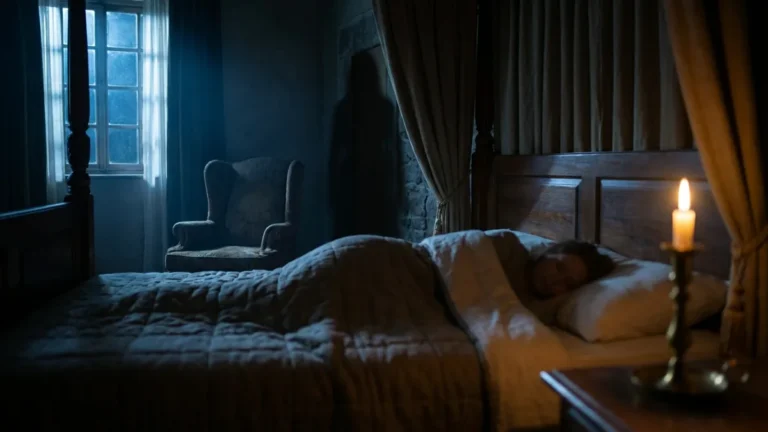
What Are Jinn? Meaning, Types and What Islam Actually Teaches About Them
Jinn are not genies and not ghosts. Here is what the word means, what the Quran says they are, the types people talk about, whether they can harm you, and how the tradition deals with them.

Most people meet the word through a lamp, a wish and a cartoon. Then a relative says the house “has jinn”, or a sleepless week makes you search what are jinn at three in the morning. This guide gives a calm, accurate answer: the meaning of the word, what the Quran and the Prophet ﷺ said about them, the types people talk about, whether they can harm humans, and how the Islamic tradition responds when they do.
Quick answer
Jinn (singular jinni; “djinn” in older English spelling) are intelligent, unseen beings that the Quran says God created from smokeless fire before mankind. They have free will, eat, marry, die and will be judged like humans; some are Muslim and some are not. The Quran devotes a chapter to them (Surah al-Jinn, 72). Most keep to themselves; harm from jinn is real in the tradition but rare, and the remedy is recitation, not fear.
In this guide
Jinn meaning: what the word says
The Arabic root j-n-n means “hidden” or “concealed”. The same root gives jannah (the garden, hidden by trees), janin (the foetus, hidden in the womb) and majnun (a person whose mind is veiled). So a jinni is, literally, a hidden being: real, but outside normal sight.
That is the whole of the word. Everything else, the lamps, the wishes, the blue cartoon, is later storytelling. The English “genie” came through French from the Arabic, picked up Latin associations with a guardian spirit, and lost the original meaning on the way. If you want to understand jinn, forget the genie.
What the Quran and Sunnah say jinn are
The Quran is specific. Jinn were created “from the fire of a scorching wind” (15:27) and “from a smokeless flame of fire” (55:15), before humans, who were made from clay. They were created, like us, to worship God (51:56). They have communities, religions and laws; some heard the Quran and believed, and said so (72:1-2). Iblis (Satan) was one of the jinn, not an angel (18:50), which is why he could disobey.
From the Sunnah we learn more. The Prophet ﷺ said there are three kinds: those with wings who fly, those in the form of snakes and dogs, and those who settle and travel. Jinn eat (bones and animal dung are mentioned as their food), marry, have children and die. They live in deserted places, ruins, bathrooms and rubbish heaps, and are more active at nightfall, which is why children were told to come indoors at dusk. They can take forms, and they can whisper, but they cannot know the unseen, which is why fortune-tellers who use them are always eventually wrong.
The following table clears up the most common confusion.
| Jinn | Angels | Ghosts (popular belief) | |
|---|---|---|---|
| Made from | Smokeless fire | Light | Said to be dead humans |
| Free will | Yes, can obey or rebel | No, always obey | — |
| Religion | Muslim, Christian, Jewish, pagan, atheist | None needed | — |
| Can die | Yes | No (until the end) | — |
| Islamic view | Real, unseen, judged like us | Real, unseen | Not supported; what people call a ghost is usually a jinni or imagination |
Types of jinn people talk about
Classical and folk sources use several names. Some are from the hadith, some are regional, and it helps to know which is which.
- Jinn (general). The ordinary population, mostly uninterested in humans.
- Shaytan / shayatin. Not a separate species but the rebellious, malicious jinn who follow Iblis. In the Quran the word also covers human devils.
- Marid. A powerful, arrogant jinni; the word appears in the Quran (37:7) for the rebellious ones.
- Ifrit. A strong, cunning jinni; one offered to bring the throne of Bilqis to Sulayman (27:39).
- Qarin. The companion jinni assigned to every human; the Prophet ﷺ said his own had become Muslim. It whispers, but it does not possess.
- Ghoul, si’lat, jann. Folk names from Arabian tradition for shape-shifting or desert jinn; colourful, but not part of the core teaching.
People sometimes ask about “Muslim jinn” as though it were unusual. It is not: the Quran records a group of jinn embracing Islam on hearing the Quran, and a Muslim jinni is as ordinary as a Muslim human. The ones that cause trouble are the shayatin, and they are a minority.
Can jinn harm people, and what to do
Yes, but far less often than fear suggests. The tradition recognises three kinds of harm: whispering (waswas), which every human experiences; disturbance of a place, which is what people mean by jinn in the house; and possession (mass), where a jinni enters and affects a person, which is real in the tradition but comparatively rare. Jinn can also be sent against someone through black magic, which is a separate problem with its own signs. For how true cases look in practice, read the signs of jinn possession.
The response in every case is the same and it is not dramatic: remembrance of God, the morning and evening adhkar, Ayat al-Kursi, Surah al-Baqarah in the home, and ruqyah for the person affected. Jinn flee from the Quran; they feed on fear and neglect. A clean, prayerful home with a steady routine is the environment they leave.
If you are reading this because something in your life or home does not feel right, do not try to identify the jinni, speak to it, or test it. Rule out the ordinary first, keep the recitations, and if the pattern persists, describe it to Sheikh Kamal Elhidi on the consultation page. Knowing what you are dealing with is half of the remedy.
Not sure what you’re dealing with?
Describe your situation to Sheikh Kamal Elhidi. He reads every message himself — free, private, and with no obligation.
How the Sheikh approaches it
The Sheikh’s experience is that most people who fear jinn are dealing with stress, poor sleep or an unsettled home, and a smaller number are dealing with the eye or with magic. Actual jinn disturbance has a particular shape: it is tied to a place or a person, it reacts to recitation, and it follows a history that the person can usually recall once asked. Frightening nights are a common example, and we cover them in sleep paralysis in Islam.
He asks about that history first. Then he says plainly what he sees, and if it is jinn, prescribes the traditional recitations and a routine for the home and the family. He does not negotiate with jinn, he does not use them, and he does not frighten anyone with stories.

About the Sheikh. Sheikh Kamal Elhidi is a practitioner of traditional ruqyah and spiritual diagnosis. Every article on this guide is written with his direct guidance and reviewed with him before publishing. Learn more about the Sheikh and how he works.
Feeling uneasy and wanting a quiet moment to yourself? Our partner PuraTarot offers the Quiet Mind Reflection Ritual, a personal reflection on your own worries and the calm you want back, not a diagnosis or a treatment of any kind; for the spiritual side, follow the steps above and the Sheikh’s guidance. Join the free Curse Removal Guide newsletter and, once you confirm, you will unlock a 50% code for your first PuraTarot session.
Frequently asked questions
What are jinn in Islam?
Jinn are intelligent, unseen beings created by God from smokeless fire before mankind. They have free will, families and religions, eat and die, and will be judged like humans. The Quran dedicates Surah 72, al-Jinn, to them.
What is the difference between jinn and demons?
“Demon” is a Western word for an evil spirit. In Islam the equivalent is shaytan: a rebellious jinni who follows Iblis. Not all jinn are evil; many are Muslim and harmless, so jinn is the species and shayatin are the malicious minority.
Are jinn the same as genies?
No. The genie of the lamp is a storytelling creation that came to English through French. The Arabic word jinn simply means hidden beings, and the Islamic description of them has nothing to do with wishes.
Can jinn hurt humans?
In the tradition, yes: through whispering, disturbing a place, or in rarer cases possession, and they can be sent through black magic. Harm is uncommon, and the remedy is recitation, the daily adhkar and ruqyah rather than fear.
Can jinn see us?
Yes. The Quran says Iblis and his kind see humans from where humans cannot see them (7:27). That is why the Sunnah teaches daily remembrance, saying Bismillah before entering the home or bathroom, and covering vessels at night.
Further reading
- The World of the Jinn and Devils: A classical-source overview of what jinn are and how they live.
- Ibn Taymiyyah’s Essay on the Jinn: Ibn Taymiyyah’s detailed treatment of the jinn and their effect on people.
- The Clear Quran (Dr. Mustafa Khattab): A readable English Quran translation for the verses on jinn.
As an Amazon Associate we earn from qualifying purchases.
What the Sheikh usually prescribes for this
There is no single remedy that fits every case — the same signs can come from the evil eye, from sihr, or from nothing spiritual at all. That is why Sheikh Kamal Elhidi always asks about your situation first, then tells you plainly what he sees and what he would do.
If you would like his view on your own case, describe it below. He reads every message himself — free, private, and with no obligation.
Reader reviews
Did this guide help you? Leave a short, honest review so other readers know what to expect. Reviews are checked before they appear.
There are no reviews yet. Be the first one to write one.