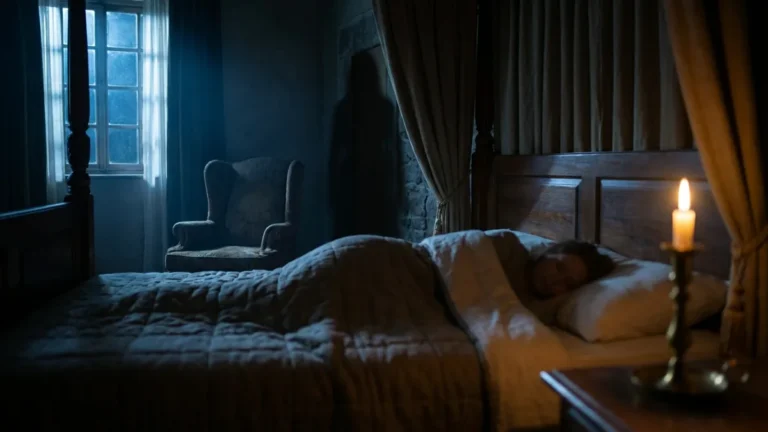
Signs of Jinn Possession: How to Tell If Someone Is Possessed and What to Do
Possession is rarer than fear suggests, but it is real in the tradition. Here are the signs, how it differs from illness, how people get possessed, and the calm, safe steps to take.
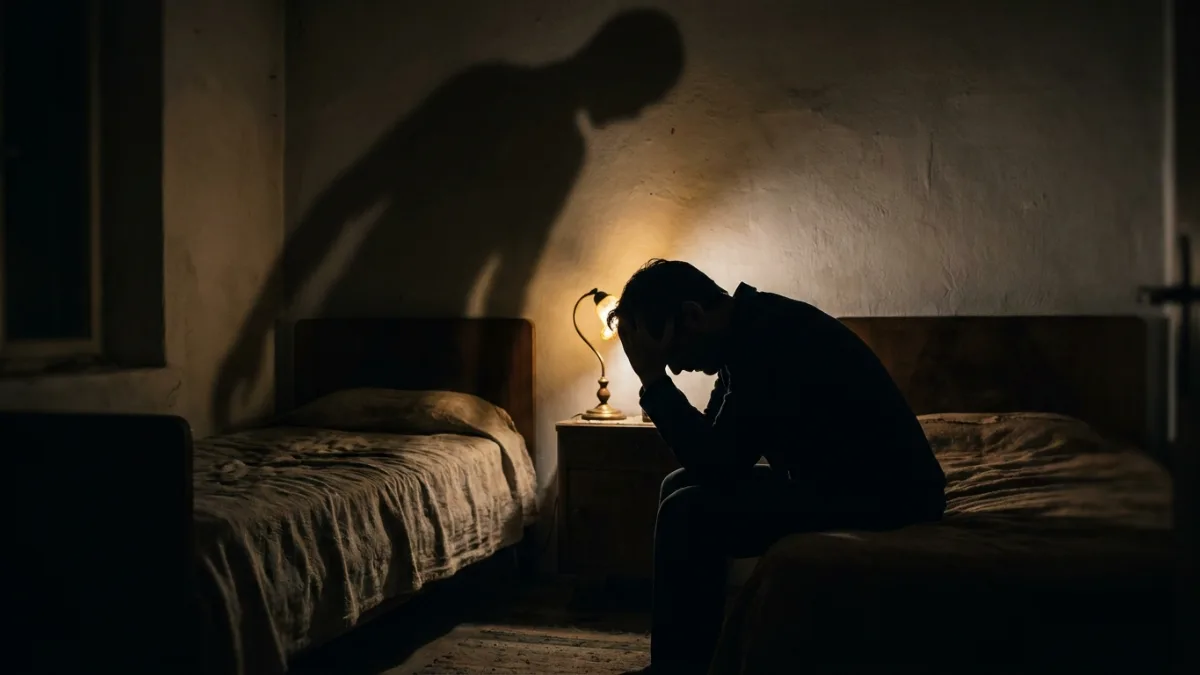
A relative is not themselves: a changed voice, a hatred of the adhan, a strength that does not fit their body, long gaps they cannot remember. You have watched the films and you are frightened, so you search for the signs of jinn possession hoping for a calm answer. Here it is. Possession (mass) is real in the Islamic tradition, it is rarer than people think, it is almost never like the cinema, and it is treatable. This guide explains what to look for, what to rule out, how it happens and what to do.
Quick answer
In the tradition, possession is when a jinni enters a person and affects their mind or body. The signs people report include a strong aversion to the Quran or the adhan, a changed voice or personality in episodes, unusual strength, seizures with no medical cause, speaking in a language the person does not know, and lost time. Medical and psychiatric causes must be ruled out first; they are far more common. The remedy is ruqyah by recitation, never violence or ritual.
In this guide
Signs of jinn possession people report
Scholars who treat this describe the same cluster of signs across cultures. One sign alone means nothing; the tradition looks for several together, usually in episodes, and for a reaction to the Quran, which is the sign that separates possession from everything else.
| Sign | Ordinary explanation to rule out | What makes the tradition take it seriously |
|---|---|---|
| Aversion to prayer, the adhan or Quran; agitation, anger or fainting when it is recited | Ordinary dislike, anxiety, a panic response to pressure | The reaction is physical and immediate, and the person is calm with other sounds |
| A changed voice, personality or way of speaking in episodes | Dissociation, psychosis, substance use, extreme stress | The episode begins during recitation and the person has no memory of it |
| Unusual physical strength or resistance | Adrenaline, a panic state | It far exceeds the person’s build and ends abruptly when recitation ends |
| Seizure-like movements, rolling eyes, rigidity | Epilepsy, fainting, a medical event | A neurologist finds nothing and the episodes track recitation |
| Speaking words or a language the person does not know | Half-remembered phrases, imitation | Coherent speech addressed to the reciter, often hostile |
| Lost time, blackouts, waking in strange places | Sleep disorders, medication, dissociation | Combined with the signs above, and with a history of trauma or a spiritual event |
| Persistent nightmares of snakes, dogs, black figures; sleep paralysis | Ordinary nightmares, stress, sleep apnoea | They start suddenly, repeat nightly, and ease with recitation |
| Sudden, unexplained physical pain that moves around the body | Medical conditions | Doctors find nothing and the pain shifts under recitation |
Please read that middle column seriously. Epilepsy, schizophrenia, bipolar disorder, dissociation and drug effects can produce almost every sign in the list. A doctor and, where appropriate, a psychiatrist must see the person first. Treating an illness as possession can cost a life; treating possession as illness only costs time, and ruqyah does no harm either way. For one common night-time experience, see our guide to sleep paralysis in Islam.
How to tell if someone is possessed: the calm method
Nobody can be certain from a single episode. Those who practise ruqyah use a simple method that any family can begin at home. If the picture seems wider than possession, our guide to the signs of spiritual attack may help.
- Get a medical assessment first. Write down the episodes with dates and times and take the notes to a doctor. Be honest about any drugs, medication or head injury.
- Observe the reaction to recitation. With the person’s knowledge, recite Ayat al-Kursi, Surah al-Baqarah or the last three surahs near them, calmly. Note what happens: nothing, distress, drowsiness, anger, or an episode.
- Ask about the history. When did it begin? Was there a severe fright, a long illness, a visit to a strange place, a night of sin, a bereavement, a suspected act of magic, or a period of abandoning prayer? Possession usually has a doorway.
- Look for the pattern over two weeks. Episodes that cluster around recitation, prayer times and night, and that do not fit any diagnosis, are what the tradition treats as possession.
- Do not test, provoke or interrogate. Never try to “make it speak”, never use boards or rituals, never strike the person. The hadith forbids harming the afflicted.
If the person also shows the signs of black magic, the jinni may have been sent rather than having entered on its own, and the treatment must address the magic as well.
How does someone get possessed?
People ask this with guilt, as if it were a punishment. It is not, and the tradition lists ordinary doorways rather than sins.
- A severe fright, especially at night or in an empty place, which the scholars describe as the most common cause.
- Harming a jinni unknowingly: pouring boiling water in a drain, urinating in a hole, throwing a stone into a ruin, without saying Bismillah.
- Black magic, where a sorcerer sends a jinni against a person; this is the cause behind many of the hardest cases.
- Attachment, where a jinni becomes obsessed with a person, often described as “love” from the jinni’s side, and refuses to leave.
- Long neglect of prayer and remembrance, which removes the protection the tradition gives to a believer.
- Visiting places of sin or seeking fortune-tellers and sorcerers, which opens a door deliberately.
Knowing the doorway matters because the treatment closes it. A fright is treated differently from magic, and magic is treated differently from attachment. Our guide to what jinn are explains why they are drawn to some situations and not others.
What to do if you suspect possession
Start with what is safe and traditional, and give it time. Keep the person in prayer and in company; isolation makes everything worse. Recite Surah al-Baqarah in the home daily, keep the morning and evening adhkar, and perform simple ruqyah with your hand on the person: al-Fatihah, Ayat al-Kursi, the last two verses of al-Baqarah, al-Ikhlas, al-Falaq and an-Nas, blowing gently over them and over water for them to drink and wash with.
What you must not do is pay someone who promises to “extract” the jinni with beatings, strangulation, chains, fire or chemicals. People have died this way, and it is forbidden. Anyone who asks for the person’s name and mother’s name, writes symbols, asks for an animal to be slaughtered to anyone but God, or promises results, is not practising ruqyah; they are practising magic.
If after two to three weeks of steady recitation the episodes continue, or if they are severe from the start, do not carry it alone. Describe the case to Sheikh Kamal Elhidi on the consultation page: when it began, what the episodes look like, what the doctors said, and how the person reacts to recitation. He will tell you plainly what it looks like and what he would do.
Not sure what you’re dealing with?
Describe your situation to Sheikh Kamal Elhidi. He reads every message himself — free, private, and with no obligation.
How the Sheikh approaches it
Over the years the Sheikh has seen that most suspected possession is something else, and he says so without embarrassment: illness, trauma, exhaustion, or the eye. When it is possession, the signs are unmistakable to someone who has treated it: the reaction to recitation, the doorway in the history, and the way the episodes track prayer and night.
His approach is the traditional one: Quran recited over the person, specific verses for the kind of jinni involved, a routine for the family, and, where magic is behind it, the treatment of the magic itself. Nothing physical, nothing frightening, nothing hidden. He asks families to continue medical care alongside, and he never promises what only God controls.

About the Sheikh. Sheikh Kamal Elhidi is a practitioner of traditional ruqyah and spiritual diagnosis. Every article on this guide is written with his direct guidance and reviewed with him before publishing. Learn more about the Sheikh and how he works.
Want space to reflect on your own situation? Alongside the steps above, some families like a quiet moment to put their own worries, routines and feelings into words. Our partner PuraTarot offers a Quiet Mind Reflection Ritual for exactly that, a personal reflection, not a diagnosis or a treatment. For the spiritual side, follow the steps above and the Sheikh’s guidance. Join the free Curse Removal Guide newsletter and, once you confirm, you will unlock a 50% code for your first PuraTarot session.
Frequently asked questions
What are the signs of jinn possession?
The traditional signs are a strong aversion to Quran or the adhan, episodes with a changed voice or personality, unusual strength, seizure-like movements with no medical cause, speaking an unknown language, lost time and recurrent nightmares. Several must appear together, and a reaction to recitation is the key sign.
How do you know if someone is possessed and not mentally ill?
You cannot be sure without a doctor. Epilepsy, psychosis, dissociation and drugs mimic most signs. The tradition looks for episodes that begin with recitation, a clear doorway in the history, and symptoms that doctors cannot explain. Medical care and ruqyah can run side by side.
Is possession real in Islam?
Yes. The Quran describes the one who consumes interest as standing like one driven mad by the touch of Satan (2:275), and the Prophet ﷺ treated afflicted people by recitation. Scholars throughout history have recognised possession while warning that it is rarer than fear suggests.
How does a jinn enter a person?
The common doorways in the tradition are a severe fright, unknowingly harming a jinni, black magic sent by a sorcerer, a jinni becoming attached to a person, long neglect of prayer, and deliberately seeking sorcerers or fortune-tellers.
Can a possessed person be cured?
Yes. The treatment is ruqyah: Quran recited over the person, specific verses, water recited upon, and a steady routine of prayer and remembrance, alongside any medical care. It can take time, and it is never done with violence, chains or rituals.
Further reading
- The World of the Jinn and Devils: Umar S. al-Ashqar on what the Quran and Sunnah say about jinn.
- Ibn Taymiyyah’s Essay on the Jinn: A classical scholarly text on jinn, translated by Abu Ameenah Bilal Philips.
- Fortress of the Muslim (Hisn al-Muslim): Daily supplications and remembrances from the Sunnah, easy to keep at hand.
As an Amazon Associate we earn from qualifying purchases.
What the Sheikh usually prescribes for this
There is no single remedy that fits every case — the same signs can come from the evil eye, from sihr, or from nothing spiritual at all. That is why Sheikh Kamal Elhidi always asks about your situation first, then tells you plainly what he sees and what he would do.
If you would like his view on your own case, describe it below. He reads every message himself — free, private, and with no obligation.
Reader reviews
Did this guide help you? Leave a short, honest review so other readers know what to expect. Reviews are checked before they appear.
There are no reviews yet. Be the first one to write one.