
Spiritual Attack: Signs You’re Under One, Prayers That Protect, and What to Do
A spiritual attack feels like being pushed from all sides at once. Here are the signs, what is actually behind it in the tradition, the prayers that protect, and the calm steps that end it.
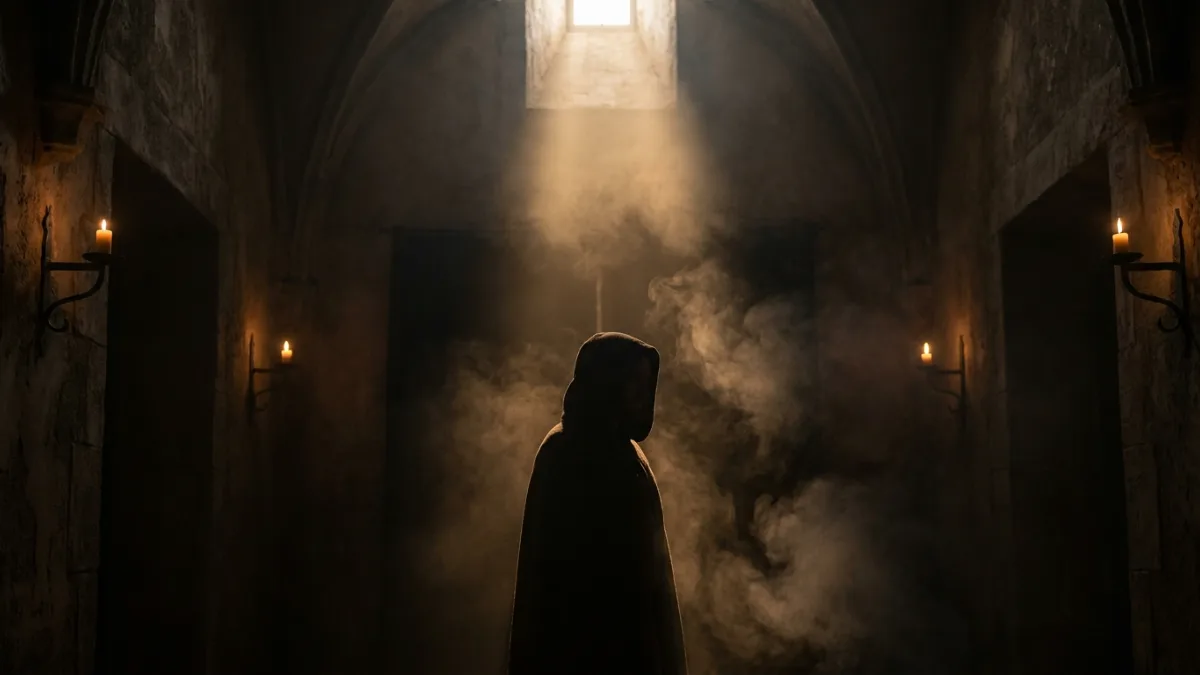
Everything went wrong at once. Sleep, health, money, your marriage, your faith itself, and it came with a weight on your chest and a voice telling you to give up. People from a church background call it spiritual warfare; people from a Muslim background call it bala or a trial, and both search for the signs of a spiritual attack and the prayers that answer it. This guide gives the signs, explains what the Islamic tradition says is actually behind them, lists the prayers that protect, and sets out the calm steps that end an attack rather than feeding it.
Quick answer
A spiritual attack is a period in which several areas of life break at once, accompanied by heaviness, fear, broken sleep, intrusive thoughts and a pull away from prayer. In the tradition it has four possible sources: the whispering of Satan (waswas), the evil eye or envy, magic or jinn sent against you, or a trial from God that tests and raises you. Protection is the daily adhkar, the three surahs, Ayat al-Kursi and steady prayer; the attack feeds on fear and isolation.
In this guide
Signs of a spiritual attack
People describe a cluster rather than a single event. The signs below are gathered from what those under attack report; the second column is the ordinary explanation that must be ruled out, because burnout and depression produce almost the same list.
| Sign | Rule out first | What makes the tradition take it seriously |
|---|---|---|
| A heaviness or pressure on the chest, worst at night | Anxiety, reflux, a heart check | It eases during recitation and prayer |
| Broken sleep, nightmares, sleep paralysis, waking at the same hour | Stress, caffeine, apnoea | Sudden onset, nightly, with dreams of snakes, dogs or dark figures |
| Intrusive thoughts: despair, doubt about God, urges to sin or to harm | Depression, OCD, exhaustion (see a professional) | They spike at prayer times and fade after dhikr |
| A sudden inability to pray, read Quran or go to the mosque | Burnout, loss of routine | Physical resistance: yawning, drowsiness, nausea when you try |
| Several areas of life collapsing together: health, money, marriage | Ordinary crises that happen to coincide | A clear turning point and no ordinary thread connecting them |
| Constant fear or dread with no object | Anxiety disorder | It arrived suddenly and sits in the body, not the mind |
| Isolation: friends drift, you withdraw, nobody calls | Depression, a busy season | You feel pushed away from people who care about you |
Please do not skip the middle column. Depression, anxiety and burnout are real illnesses, they produce most of these signs, and they are treated. The tradition is clear that a believer uses medicine and prayer together. If any of these affects your safety, speak to a doctor today. For waking at night unable to move, see our guide to sleep paralysis in Islam.
What is actually behind a spiritual attack
The tradition does not use a single word for this, because it has four different sources, and the response to each is different.
- Waswas: the whispering of Satan. Every human experiences it. It becomes an “attack” when it is sustained: doubts, despair, urges, the voice that says prayer is pointless. The Quran names it (114:4-5) and gives the remedy in the same verses: seeking refuge.
- The evil eye and envy. A season of visible blessing followed by a collapse often means the eye has landed. See signs of evil eye.
- Magic or jinn sent against you. The heaviest kind, with physical signs, a reaction to recitation and often a person with a motive. See signs of black magic.
- A trial from God. The Quran says that God tests those He loves, with fear, hunger and loss (2:155), and that the prophets were tested hardest. Not everything that hurts is an enemy. Some of it is a door.
Knowing which you face changes everything. Waswas is answered by refuge and persistence. The eye is lifted quickly. Magic and jinn need treatment. A trial is met with patience and is followed by ease. Treating a trial as an attack makes a person bitter; treating magic as a trial leaves it in place.
Prayers for a spiritual attack
The tradition gives a short, fixed set of prayers, and they cover all four sources. Keep them even on the days you do not feel them.
- Seek refuge aloud: A’udhu billahi minash-shaytanir-rajim whenever a thought attacks. The Quran commands it for exactly this (41:36).
- The three surahs (al-Ikhlas, al-Falaq, an-Nas) three times morning and evening, blown into the hands and wiped over the body. An-Nas is the specific prayer against whispering; al-Falaq against magic and envy.
- Ayat al-Kursi after every prayer and before sleep. The hadith promises a guardian until morning. See Ayat al-Kursi benefits.
- The last two verses of al-Baqarah every night; the hadith says they suffice.
- The morning and evening adhkar, especially Bismillahil-ladhi la yadurru three times and Hasbiyallahu la ilaha illa Huwa seven times.
- The dua of distress: La ilaha illa Anta, subhanaka, inni kuntu minaz-zalimin, the prayer of Yunus from inside the whale, which the Prophet ﷺ said is answered for any Muslim who calls with it.
- The dua for anxiety: Allahumma inni a’udhu bika minal-hammi wal-hazan (“O Allah, I seek refuge in You from worry and grief”), in full from the Sunnah.
Those are the prayers. For anyone who came here looking for scripture against spiritual warfare: these are the Quran’s own verses of refuge, and they were given by the Prophet ﷺ for exactly the situation you are in.
What to do when you are under attack
An attack feeds on three things: fear, isolation and the abandonment of routine. The response removes all three.
- Do not negotiate with the thoughts. Seek refuge and move on. Arguing with waswas strengthens it; ignoring it starves it.
- Keep the five prayers on time, however you feel. Resistance to prayer is the attack itself. Pray badly rather than not at all.
- Stay with people. Go to the mosque, eat with family, call a friend. The hadith compares the lone believer to the sheep the wolf takes.
- Take care of the body. Sleep, food, daylight, a walk. Half of what feels spiritual is exhaustion, and the tradition does not separate the two.
- See a doctor or counsellor for anything that affects your health or safety. This is part of the remedy, not a betrayal of it.
- Begin simple ruqyah on yourself, as explained in the ruqyah guide, and notice how your body reacts.
- Give it two to three weeks, then review the signs. Waswas and the eye usually lift. If the physical signs, the reaction to recitation and the collapse continue, something is being done, and it needs treating.
At that point, do not keep fighting alone. Describe the attack, when it began, what preceded it and how you react to recitation, to Sheikh Kamal Elhidi on the consultation page. He will tell you which of the four sources it looks like and what he would do.
Not sure what you’re dealing with?
Describe your situation to Sheikh Kamal Elhidi. He reads every message himself — free, private, and with no obligation.
How the Sheikh approaches it
The Sheikh’s first task is to tell the four sources apart, because people under attack are frightened and tend to assume the worst. He asks when it began, what the season before it looked like, whether there is a person with a motive, how the body reacts to recitation, and whether the person is sleeping, eating and seeing a doctor.
Many of the cases he sees are waswas and exhaustion, and he says so with relief rather than dismissal, because they are the easiest to end. Where it is the eye, magic or jinn, he prescribes the specific treatment. He never adds to fear, never claims to see the unseen, and never promises what only God controls.

About the Sheikh. Sheikh Kamal Elhidi is a practitioner of traditional ruqyah and spiritual diagnosis. Every article on this guide is written with his direct guidance and reviewed with him before publishing. Learn more about the Sheikh and how he works.
Want a quiet moment to steady your mind? Alongside the prayers and steps above, some readers like to set aside a calm moment to reflect on what has been weighing on them. Our partner PuraTarot offers a Quiet Mind Reflection Ritual for that, a personal reflection, not a diagnosis or a treatment. For the spiritual side, follow the steps above and the Sheikh’s guidance. Join the free Curse Removal Guide newsletter and, once you confirm, you will unlock a 50% code for your first PuraTarot session.
Frequently asked questions
What are the signs of a spiritual attack?
A pressure on the chest worst at night, broken sleep and nightmares, intrusive thoughts of despair or doubt, a sudden inability to pray, several areas of life collapsing at once, dread without an object, and isolation. Several together, after a turning point, matter; depression and burnout must be ruled out.
What causes a spiritual attack in Islam?
Four things: the whispering of Satan (waswas), the evil eye and envy, magic or jinn sent against you, and a trial from God that tests and raises you. Each has a different remedy, so telling them apart is the first step.
What prayer should I say during a spiritual attack?
Seek refuge aloud (a’udhu billahi minash-shaytanir-rajim), recite al-Ikhlas, al-Falaq and an-Nas three times morning and evening, Ayat al-Kursi after prayer and before sleep, the last two verses of al-Baqarah at night, and the dua of Yunus: la ilaha illa Anta, subhanaka, inni kuntu minaz-zalimin.
How long does a spiritual attack last?
Waswas and the evil eye usually lift within days to a few weeks of steady prayer, remembrance and routine. Magic or jinn can last until they are treated. A trial lasts as long as God wills and is followed by ease. Review after two to three weeks and seek help if the physical signs continue.
Should I see a doctor during a spiritual attack?
Yes, if your sleep, health or safety is affected. Depression, anxiety and burnout produce most of the same signs and are treated. The tradition uses medicine and prayer together, and ruqyah does no harm alongside treatment.
Further reading
- Fortress of the Muslim (Hisn al-Muslim): Morning and evening remembrances and du’as from the Sunnah, with sources.
- Healing with the Medicine of the Prophet: Ibn Qayyim al-Jawziyya on Prophetic remedies, including recitation for the heart.
- The Clear Quran: A readable English translation by Dr. Mustafa Khattab for daily recitation.
As an Amazon Associate we earn from qualifying purchases.
What the Sheikh usually prescribes for this
There is no single remedy that fits every case — the same signs can come from the evil eye, from sihr, or from nothing spiritual at all. That is why Sheikh Kamal Elhidi always asks about your situation first, then tells you plainly what he sees and what he would do.
If you would like his view on your own case, describe it below. He reads every message himself — free, private, and with no obligation.
Reader reviews
Did this guide help you? Leave a short, honest review so other readers know what to expect. Reviews are checked before they appear.
There are no reviews yet. Be the first one to write one.


