How to Remove Evil Eye: What Actually Works
A calm, step-by-step guide to the traditional way of removing the evil eye: ruqyah, ruqyah water, the washing tradition and du'a. It also explains how to rule out ordinary causes and when to ask a knowledgeable person.

You have felt off since someone praised you, your child or your work a little too warmly. Things that were going well have stalled. You are tired and uneasy, and you keep asking the same question: how to remove evil eye, and where do you even start? Many people in this place feel alone, and a little embarrassed to ask. You are not the first. The traditional answer is simpler and calmer than the internet makes it sound, and this guide walks you through it step by step, without fear and without hype.
Quick answer
To remove the evil eye in the traditional way, first rule out ordinary causes, then recite Al-Fatiha, Ayatul Kursi and the last three surahs with sincere intention, use ruqyah water for drinking and washing, and make du’a for healing. If nothing changes, speak with a knowledgeable person instead of trying random fixes.
First, make sure it is really the evil eye
In the traditional view, the evil eye (nazar, or al-‘ayn) is harm that can follow an admiring or envious glance, even one given with no ill will. It is real in the prophetic tradition, but that does not mean every bad week is caused by it.
This can also be ordinary stress, sleep or health issues — rule that out first. If you have ongoing tiredness, headaches, low mood or anxiety, see a doctor before anything else. Spiritual care is meant to sit beside medical care, never replace it.
Once that is covered, ask yourself a simple question. Did things change soon after a compliment, a comparison or a moment of visible envy? Timing is the clue people usually notice first. Our guide to the signs of evil eye goes through the traditional indicators calmly, so you can tell a real pattern from a bad day.
How to remove evil eye: the traditional step-by-step method
The steps below come from the prophetic tradition and are used by families across the Muslim world. They are gentle, and you can do them at home. Sincerity and trust in Allah matter more than perfect wording.
- Recognise it calmly. Note when the change began and who or what was around. Rule out medical causes first. Do not accuse anyone: most people never learn who it was, and you do not need to.
- Prepare yourself. Make wudu, choose a quiet moment and, if you can, pray two rak’ahs. Then sit and set a clear intention: you are asking Allah alone for healing.
- Recite ruqyah. Read Al-Fatiha, Ayatul Kursi, Al-Ikhlas, Al-Falaq, An-Nas and the last two verses of Al-Baqarah, three times each. Blow lightly into your hands and wipe them over your head, face and body. Our ruqyah guide explains the recitation in full.
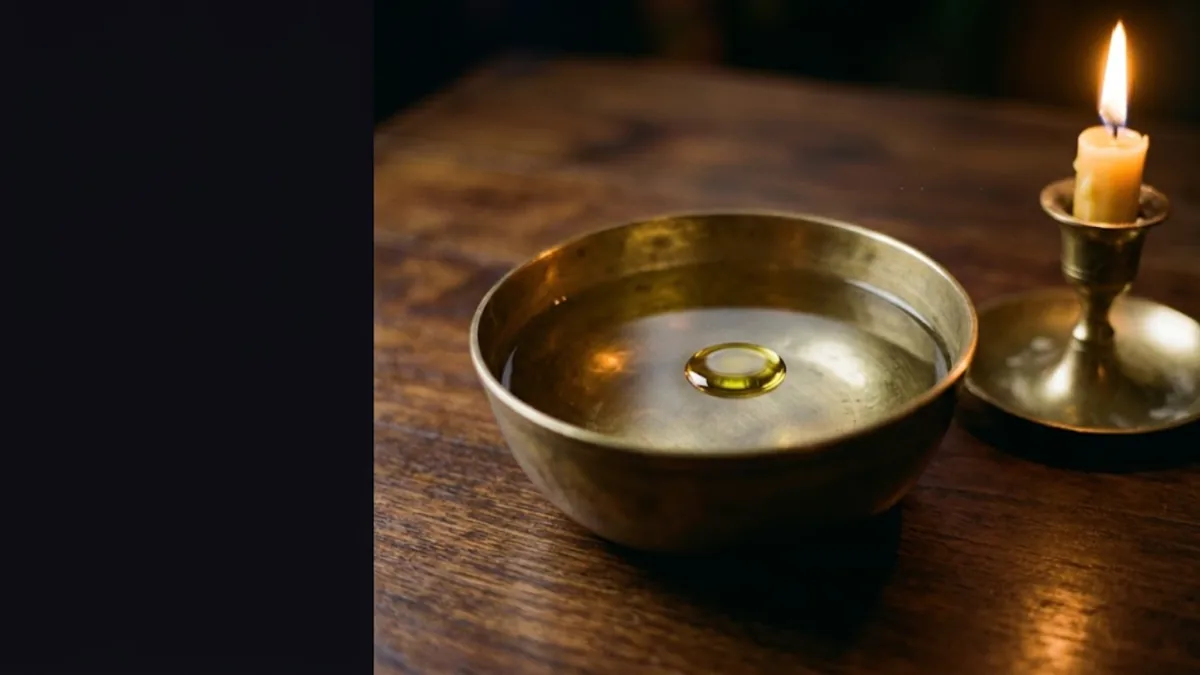
- Prepare ruqyah water. Recite the same verses over a bowl of clean water. Drink a little, then use the rest to wash your face and hands, or pour it over your body during your ghusl.
- Use the washing tradition when it applies. The Prophet ﷺ taught that the evil eye is real, and that a person who is asked to wash should wash. Traditionally, if the person who cast the look is known, willing and asked with respect, they wash their face, hands, elbows, knees, feet and the inside of their waist wrapper in a vessel, and that water is poured over the one affected. It is never forced, and it is not needed when the person is unknown.
- Make du’a for healing. A well-known prophetic supplication is: Bismillah arqika min kulli shay’in yu’dhika, min sharri kulli nafsin aw ‘aynin hasidin, Allahu yashfika. It means: in the name of Allah I recite over you, against everything that harms you and the evil of every soul or envious eye; may Allah heal you.
- Repeat, then ask for help if needed. Recite morning and evening for about a week. If nothing changes, or the situation feels heavy or unclear, speak to a knowledgeable person rather than adding more and more remedies.
Many people feel lighter and calmer within days. Others need more time, and some discover the cause was never the evil eye at all. No method can promise a result, and you should be wary of anyone who says otherwise.
Evil eye removal methods compared
Each method has a different job. This table shows what each one is and when it tends to help, so you can choose calmly instead of trying everything at once. If you are looking for an evil eye cure, think of these as parts of one routine, not competing options.
| Method | What it is | When it helps |
|---|---|---|
| Medical check | A visit to a doctor to look at sleep, stress and general health | Always first. It rules out ordinary causes of tiredness, low mood or anxiety. |
| Ruqyah recitation | Reading Quran and prophetic supplications over yourself | As your daily base when you suspect evil eye and want to act right away |
| Ruqyah water | Clean water recited over, then drunk and used for washing | When you want a physical, calming step alongside the recitation |
| Washing tradition | The person who cast the look washes, and the water is poured over you | Only when the person is known, willing and asked respectfully |
| Du’a and daily adhkar | Personal supplication and morning and evening remembrance | For steady protection, and for the days after removal |
| Consulting a knowledgeable person | A Sheikh who listens to your situation and assesses it | When steps at home change nothing, or you are unsure what you are facing |
What to expect, and how to keep it from coming back
What you may notice
During recitation, some people feel calm, heavy eyelids, yawning or a wave of tears. Others feel nothing at all, and that is perfectly normal. Neither says anything about whether it worked, so judge the process by the days that follow, not by how one session feels.
Look for small, steady changes. Do you sleep a little better? Does the tension at home ease? Can you pray and focus more easily? If you feel worse, frightened, or notice symptoms that worry you, stop, rest and speak to a doctor or a knowledgeable person.
Keeping it from coming back
Evil eye removal is only half of the picture. Morning and evening adhkar, Ayatul Kursi before sleep, and saying masha’Allah and Allahumma barik when you admire something all help. You do not need to hide your good news forever, only to share it with care.
Our guide to evil eye protection covers these daily habits in detail, and you will find more in the evil eye section of the site. If you are wondering how to get rid of nazar for good, steady protection matters as much as the removal itself.
What people usually try — and why it often isn’t enough
Most people start with what they can find online: an evil eye bracelet, a salt bath, incense, a recorded ruqyah playing on loop, or advice from a relative. Some of this is harmless and comforting, and recitation in particular has real value. It calms the heart, and that matters.
So why does it often fall short? Usually for three reasons. You are guessing at the cause, so the remedy may not fit. You are copying a generic method that was never shaped around your situation. And fear makes you jump from one thing to the next, never staying with any of them long enough.
A remedy works best when it fits the actual problem. Sometimes that means a simple daily routine. Sometimes it means finding out that the cause is something else entirely, and that is useful to know too.
Not sure what you’re dealing with?
Describe your situation to Sheikh Soussi Elyahoudi. He reads every message himself — free, private, and with no obligation.
How the Sheikh approaches it
Every case is different, and that is why the Sheikh does not start with a fixed remedy. He starts by asking about your situation: when it began, what has changed at home or at work, how you sleep and how your health has been.
Then he tells you plainly what he sees. Sometimes it is the evil eye. Sometimes it is something else, and sometimes it is nothing spiritual at all, and he will say so. You leave with a clear, honest picture and simple steps you can follow, without fear or drama.
If you would like to talk it through, the Consult the Sheikh page explains how a consultation works. There is no pressure, and no need to have everything figured out beforehand.
About the Sheikh. Sheikh Soussi Elyahoudi is a practitioner of traditional ruqyah and spiritual diagnosis. This guide is written by Walid Faiz with his direct guidance, and every article is reviewed with him before publishing — read more.
Frequently asked questions
How long does it take to remove the evil eye?
The tradition gives no fixed time. Some people feel lighter after the first recitation, while others repeat ruqyah and washing daily for a week or more. Consistency matters more than speed. If nothing changes after a week or two, see a doctor and speak with a knowledgeable person about what else may be going on.
Can I remove the evil eye by myself?
Yes, the basic steps are meant to be done at home: wudu, recitation of Al-Fatiha, Ayatul Kursi and the last three surahs, ruqyah water, and du’a. Ask a knowledgeable person for help if you are unsure what you are facing, if the situation feels heavy, or if home steps have changed nothing.
What is the fastest way to get rid of nazar?
There is no shortcut, and rushing usually adds fear. The simplest approach is calm and steady: recite Al-Fatiha, Ayatul Kursi and the three Quls with sincere intention, use ruqyah water, and make du’a for healing. Repeat morning and evening for a week, and rule out medical causes at the same time.
Do I need to know who gave me the evil eye?
No. The washing tradition only applies when the person is known and willing, and most people never find out who it was. Accusing someone is discouraged. Ruqyah recitation, ruqyah water and du’a can all be done without knowing, so you can begin today without pointing a finger at anyone.
How do I know if it is evil eye or something else?
Start by ruling out stress, poor sleep and health problems with a doctor. Then look at timing: did things change soon after praise or visible envy? No list of symptoms is certain on its own. A knowledgeable person can listen to your whole situation and tell you honestly whether it looks spiritual or not.
What the Sheikh usually prescribes for this
There is no single remedy that fits every case — the same signs can come from the evil eye, from sihr, or from nothing spiritual at all. That is why Sheikh Soussi Elyahoudi always asks about your situation first, then tells you plainly what he sees and what he would do.
If you would like his view on your own case, describe it below. He reads every message himself — free, private, and with no obligation.