
What Is a Taweez and How Is It Prepared?
A taweez is a small written request for Allah’s protection, but scholars differ on it. Learn what it contains, how it is prepared and how to spot a fake.
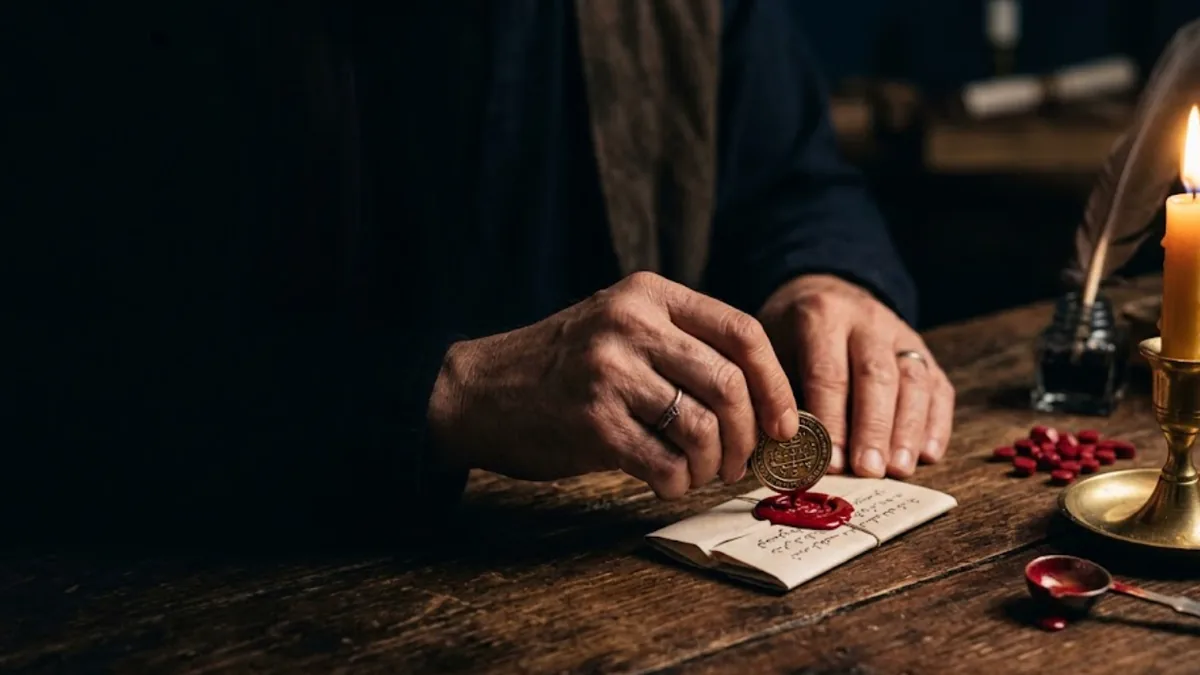
Someone hands you a small folded paper wrapped in cloth and says, “Keep this on you, it will protect you.” Or you find a taweez sewn into an old family coat and wonder what it was for. Maybe a seller online promises that one will change your luck in days.
If you are asking what a taweez really is, whether it is allowed, and how to tell a sincere one from a scam, you are in the right place. This guide answers calmly and honestly, including the parts where scholars disagree.
Quick answer
A taweez (also spelled ta’wiz) is a small written piece, usually Quranic verses, names of Allah and dua, kept or worn as a request for Allah’s protection. Scholars differ on whether it is permissible, and many prefer reciting directly instead. Any benefit is believed to come from Allah alone, never from the paper.
In this guide
What is a taweez? The meaning explained
The word taweez comes from the Arabic root for seeking refuge. Simply put, the taweez meaning is “a means of seeking refuge” in Allah. In South Asia and North Africa it usually refers to a small paper or metal piece with writing on it, kept in a pouch, pocket or bag.
You may also see it called ta’wiz, tawidh, hirz or an amulet. In Morocco and much of the Arab world, similar items are often called hijab or hirz. The spelling changes from place to place, but the idea is the same: written words of protection, carried close. Symbols such as the hamsa hand belong to a related cultural tradition; our guide to the hamsa hand meaning explains where it comes from.
People use a taweez for protection from the evil eye, from envy, from fear at night, or for a child’s peace of mind. If your main worry is the evil eye, our guide on evil eye protection covers the simpler daily habits that need no written item at all.
One honest note first. Worry, poor sleep and health problems can feel like spiritual harm. This can also be ordinary stress, sleep or health issues, so rule that out first. A taweez is never a replacement for a doctor.
What scholars say about taweez
This is the part many websites skip. Scholars genuinely differ on taweez, and you deserve to know that before you wear or buy anything.
Some scholars, across history, allowed a written piece made only of Quran and authentic dua, on the basis that it is a form of seeking Allah’s help through His own words. Others, including many respected scholars today, advise against wearing any amulet at all. They point to narrations that warn against hanging amulets and worry that it slowly shifts the heart’s trust from Allah to an object.
All sides agree on three things. First, benefit and harm belong to Allah alone. Second, anything containing shirk, unknown words, or names of jinn is forbidden. Third, reciting Quran and dua directly is the safest and most agreed-upon path.
So if you choose to keep a taweez, do it knowingly, and stay within the limits all scholars accept. If you feel unsure, the safer choice is to recite the protective verses yourself and leave the item aside.
What a traditional taweez contains and how it is prepared
What is written on it
A sound, traditional taweez is written in clear Arabic. It is made of Quranic verses, the names and attributes of Allah, and short prayers taken from the Sunnah. Verses often chosen include Ayat al-Kursi, the last two verses of Surah al-Baqarah, and Surah al-Ikhlas, al-Falaq and an-Nas. You can read about the first of these in our guide to the benefits of Ayatul Kursi.
The key point is that everything on it can be read and understood by any Arabic reader. Nothing is hidden. If a scholar looked at it, he could name every word.
How a knowledgeable person prepares it
The traditional method is simple and quiet. The writer is a person who knows the Quran and can read and write Arabic correctly. He is in a state of ritual purity, begins with “Bismillah,” and writes the verses carefully, with a clean pen and clean paper.
He writes with the intention of asking Allah for protection for a named person, and often recites over it while he writes. There are no secret rituals, no strange offerings and no payment tied to a promised result. The paper is then folded and wrapped so it stays clean and protected from water.
That is the whole process. Anything much more complicated than this, with special days, hidden steps or animals, has moved away from the tradition.
How it is worn or kept
It is usually kept in a small pouch worn on the body, placed in a wallet or bag, or, for a home, kept in a clean, high place. It should never enter the bathroom, and it should be taken off or kept clean during any impure situation.
Permissible taweez vs. doubtful taweez
Use this table as a practical guide. It reflects what scholars broadly agree on, and it is not a fatwa. When in doubt, ask a trusted scholar.
| Permissible (according to those who allow it) | Doubtful or harmful | |
|---|---|---|
| Contents | Clear Quranic verses, names of Allah, authentic dua | Unreadable symbols, letters that do not form words, or “secret” names |
| Language | Arabic you can read and check | Mixed scripts, drawings, or numbers-only squares |
| Writer | A knowledgeable, upright person who can explain what he wrote | Someone who refuses to say what is written or how it was made |
| Method | Simple: purity, Bismillah, sincere dua | Special days, hidden steps, smoke, animals or strange offerings |
| Promise | None. Only a hope in Allah’s protection | Big promises: “guaranteed result,” “love in three days,” “enemy destroyed” |
| Payment | A modest gift, or free | High price, or price rising with the promise |
| Your trust | It is only a reminder to rely on Allah | You feel it works by itself, or fear leaving home without it |
Warning signs of a fake or harmful taweez
If you see unreadable symbols, or squares filled with numbers, be careful. Such squares are often sold as “magic squares.” They have no basis in the Quran or Sunnah, and no one can check what they mean.
Be careful too if it is sold with large promises, if the seller pressures you to buy fast, or if he asks you to keep it a secret from your family. Real protection is calm. It never asks for fear, secrecy or a rising price. If a taweez asks you to do anything forbidden, it is not protection at all. Our guide on the protection spell explains why the traditional path avoids such practices.
How to care for a taweez
If you choose to keep one, treat it with the respect due to Allah’s words. Here is a simple checklist.
- Keep it wrapped in clean cloth or plastic so water and sweat cannot ruin the writing.
- Never take it into the bathroom or any unclean place.
- Do not open, read out loud or show it to others just for curiosity.
- Keep reciting your morning and evening adhkar. The taweez is not a substitute for them.
- Do not leave it on the floor, and store it high and clean when you are not wearing it.
- When it is worn out, do not throw it away. Bury it in a clean place, or wash off the writing with clean water and pour that water on plants or soil.
- Check yourself now and then: are you trusting Allah, or the paper? If it is the paper, put it down.
Your own recitation and daily prayer matter more than any object. A taweez at most supports them.
What people usually try — and why it often isn’t enough
Most people start with what is easy. They buy a taweez online, wear an evil eye charm, or ask a relative to “read something” over them. Some feel calmer for a while, and that comfort is real.
But a written item has limits. It does not tell you why you feel unprotected, and it cannot tell one problem from another. Worry, envy, a strained home and a spiritual cause can look alike. A taweez treats all of them the same way.
What usually helps more is to recite protective verses yourself every day, fix the practical side of the problem, and get an honest opinion from someone who knows. Repetition and sincerity count for more than any item. When the trouble returns after weeks of trying, that is often a sign that you need a clearer picture, not another purchase.
Not sure what you’re dealing with?
Describe your situation to Sheikh Kamal Elhidi. He reads every message himself — free, private, and with no obligation.
How the Sheikh approaches it
Sheikh Kamal Elhidi does not start with a paper or a promise. Every case is different, which is why the Sheikh first asks about your situation: what you feel, when it began, what has changed at home and how your health and sleep are.
Then he says plainly what he sees. Sometimes that is a spiritual matter, and sometimes it is ordinary stress or something better handled by a doctor or a conversation at home. If protection is needed, he tells you what fits your case, and he is honest that scholars differ on wearing items, so he does not push you toward one.
You do not need to know the right words or terms before you write. You can simply describe what is happening in your own language. If you want to begin, you can consult the Sheikh and share your situation in your own words.

About the Sheikh. Sheikh Kamal Elhidi is a practitioner of traditional ruqyah and spiritual diagnosis. Every article on this guide is written with his direct guidance and reviewed with him before publishing. Learn more about the Sheikh and how he works.
Looking for steadier footing in daily life? Our partner PuraTarot offers a personal reflection session, the Grounding and Personal Boundaries Ritual, for thinking through what helps you feel settled and where you want healthier boundaries. It is a personal reflection, not a diagnosis or a treatment; for the spiritual side, follow the guidance above and the Sheikh’s. Join the free Curse Removal Guide newsletter and, once you confirm, you will unlock a 50% code for your first PuraTarot session.
Frequently asked questions
What does taweez mean?
Taweez comes from an Arabic root meaning to seek refuge. It refers to a small written piece, usually Quranic verses, names of Allah and dua, kept or worn as a request for Allah’s protection. You may also see it spelled ta’wiz or tawidh, and in North Africa it is often called hirz or hijab.
Is taweez allowed in Islam?
Scholars differ. Some allow a taweez made only of Quran and authentic dua. Many others advise against wearing any amulet, citing narrations that warn against hanging them. All agree that anything with shirk, unknown words or jinn names is forbidden, and that reciting directly is safest. Ask a scholar you trust about your case.
How does a taweez work?
In the traditional view, a taweez does not work by itself. It is a means of asking Allah for protection through His own words, and all benefit comes from Him alone. Believing the paper has power on its own is the very mistake scholars warn about. Sincere dua and daily recitation stay the core of protection.
Can I make a taweez for myself?
Most people are better off reciting the protective verses and adhkar themselves, because that is the most agreed-upon practice. If you still want a written piece, it should be made by someone who reads Arabic correctly and can explain every word. Avoid copying symbols, squares or numbers from the internet.
How do I know if a taweez is fake or harmful?
Warning signs include unreadable symbols, squares full of numbers, a writer who will not explain the contents, secret steps, pressure to pay, and big promises such as guaranteed results. A sound taweez is clear, readable, simple and modest in cost. If you feel fear or secrecy around it, put it down and ask a trusted scholar.
Further reading
- Fortress of the Muslim (Hisn al-Muslim): Du’as taken directly from the Quran and Sunnah, with their sources.
- The Clear Quran: A clear English translation for reading the verses people commonly recite.
- Healing with the Medicine of the Prophet: Ibn Qayyim on healing through the Quran, supplication and the Prophet’s guidance.
As an Amazon Associate we earn from qualifying purchases.
What the Sheikh usually prescribes for this
There is no single remedy that fits every case — the same signs can come from the evil eye, from sihr, or from nothing spiritual at all. That is why Sheikh Kamal Elhidi always asks about your situation first, then tells you plainly what he sees and what he would do.
If you would like his view on your own case, describe it below. He reads every message himself — free, private, and with no obligation.
Reader reviews
Did this guide help you? Leave a short, honest review so other readers know what to expect. Reviews are checked before they appear.
There are no reviews yet. Be the first one to write one.


